DAMAGED GOODS · PRACTICAL GUIDE
Damaged delivery: what evidence should you send with your complaint?
Photographs, order records and emails can tell different parts of the story. Here is how to organise them into a clear damaged-goods complaint.
By ProofPackAI · Updated · General preparation guidance, not legal advice
QUICK ANSWER
What should you do next?
Keep the order confirmation, delivery information, photographs of the damage and your messages to the retailer. Explain what each file shows, put the events in date order and state the action you are asking for. Keep the originals; a clear complaint should make the relevant evidence easy to find.
Want help organising your own case? See the sample pack or build your complaint pack — £9.99 one-off.
Start with the purchase and the problem
Identify the item, retailer, order number, purchase date and delivery date. Describe the damage in ordinary language: where it is, when you first noticed it and how it affects the item. If you do not know when the damage occurred, say so rather than guessing.
UK government guidance explains that faulty or misdescribed goods can give rise to refund, repair or replacement rights. Which remedy applies depends on the circumstances. Check the official guidance linked below; this article helps you organise records and does not determine your legal entitlement.
Take photographs that explain the damage
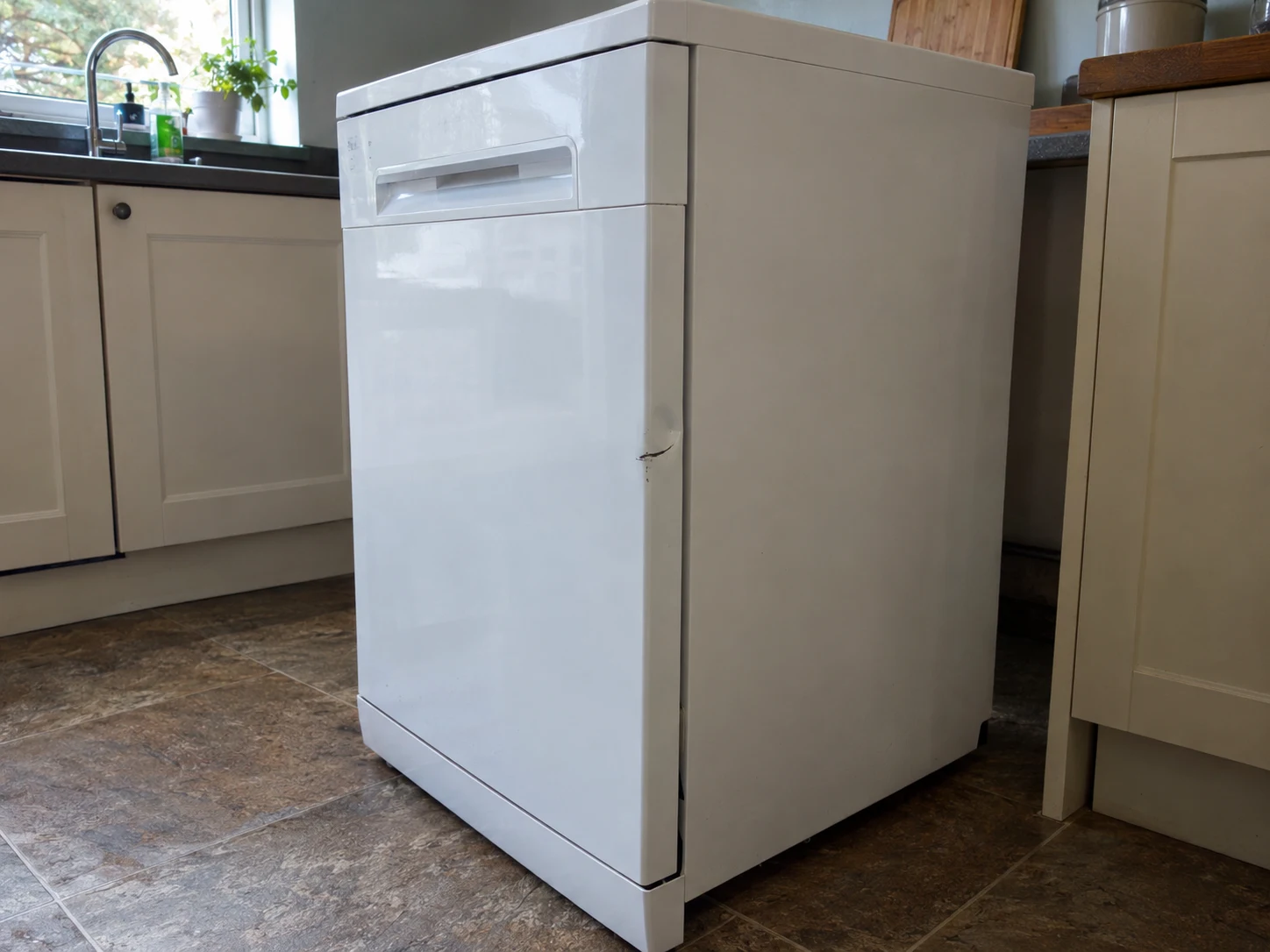
A close-up can show a crack but leave the reader unsure which item they are looking at. Pair it with a wider view of the whole item. If you still have the packaging, photograph any relevant damage to it as well. Avoid moving or using an item in a way that could be unsafe.
Keep unedited originals. If you add arrows or a crop to help explain something, label that version and retain the original separately. Do not alter an image to exaggerate damage. Record when you took the photographs; if that was after delivery, make the timing clear.
- One wider photograph identifying the item
- A clear close-up of each relevant defect
- Packaging and delivery label where relevant, with unnecessary personal details excluded from shared copies
- A short explanation of what each image shows
Give each record a simple reference
Use a small evidence list so the retailer can follow your complaint without opening every file at random. A1 might be the order confirmation, A2 the delivery record, A3 the damage photographs and A4 your first complaint email. Refer to the same labels in your letter and timeline.
Preserve the sender, date and relevant message when saving emails. Include the retailer’s replies, even if you disagree with them. If a screenshot cuts off part of a conversation, save the full relevant exchange too.
Example: connect the facts to the files
Fictional example: “The table arrived on 4 September. When I unpacked it that afternoon, I found a crack across the top. A1 identifies the order; A2 records delivery; A3 contains the photographs I took that day. I emailed you on 5 September (A4). Your reply asked for photographs on 6 September, and I sent them the same day (A5).”
This example demonstrates structure only. Replace it with your own facts. Follow it with a specific request, such as asking the retailer to review the evidence and explain the proposed remedy. Do not present a requested refund as a guaranteed outcome.
Keep the complaint together as replies arrive
Save a copy of what you send and note the date. When the retailer replies, add the response to the same timeline and record whether it answers your request. A later reader should be able to distinguish the original problem from what happened during the complaint.
You can organise these records yourself. If you want help bringing them together, ProofPackAI’s £9.99 one-off pack organises the information and evidence you provide into complaint documents. You check the content and send it yourself. After purchase, return on the same device and browser to continue the paid case with later replies; keep your own downloaded copies as well.
BEFORE YOU ESCALATE
Complaint pack checklist
- ✓Order and delivery identified
- ✓Damage described without speculation
- ✓Original photographs retained
- ✓Relevant emails and replies included
- ✓Timeline and file references match
- ✓Requested action stated clearly
Common questions
What if I no longer have the receipt?
Look for other records of the purchase. Government guidance lists a bank statement or packaging among possible proof of purchase. What a record establishes depends on its contents; explain any gaps.
Do I need lots of photographs?
Use enough clear images to show the relevant damage and context. Several near-identical photographs can make a complaint harder to review. There is no fixed number required by this guide.
Will a complaint pack guarantee a refund?
No. An organised pack helps present your facts and evidence. It does not establish entitlement or guarantee the retailer’s response.
Official information to check
Processes and time limits can change. Confirm the position for your complaint using the relevant official service: